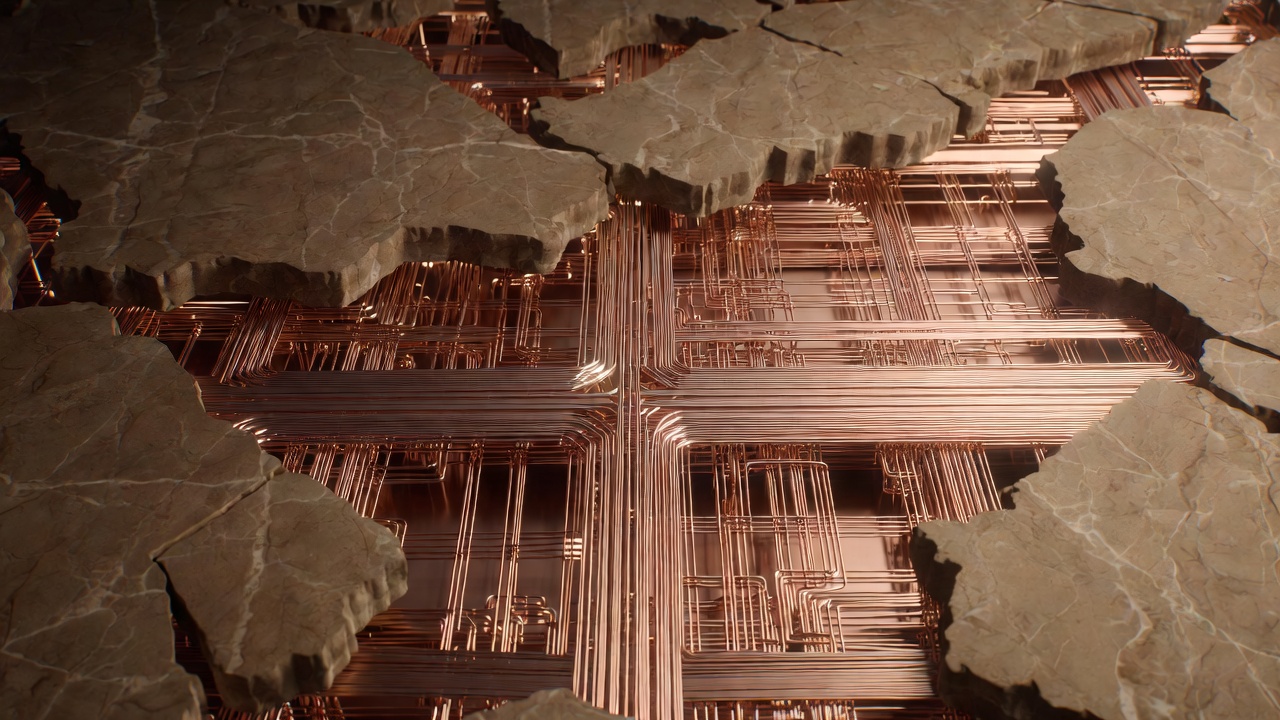
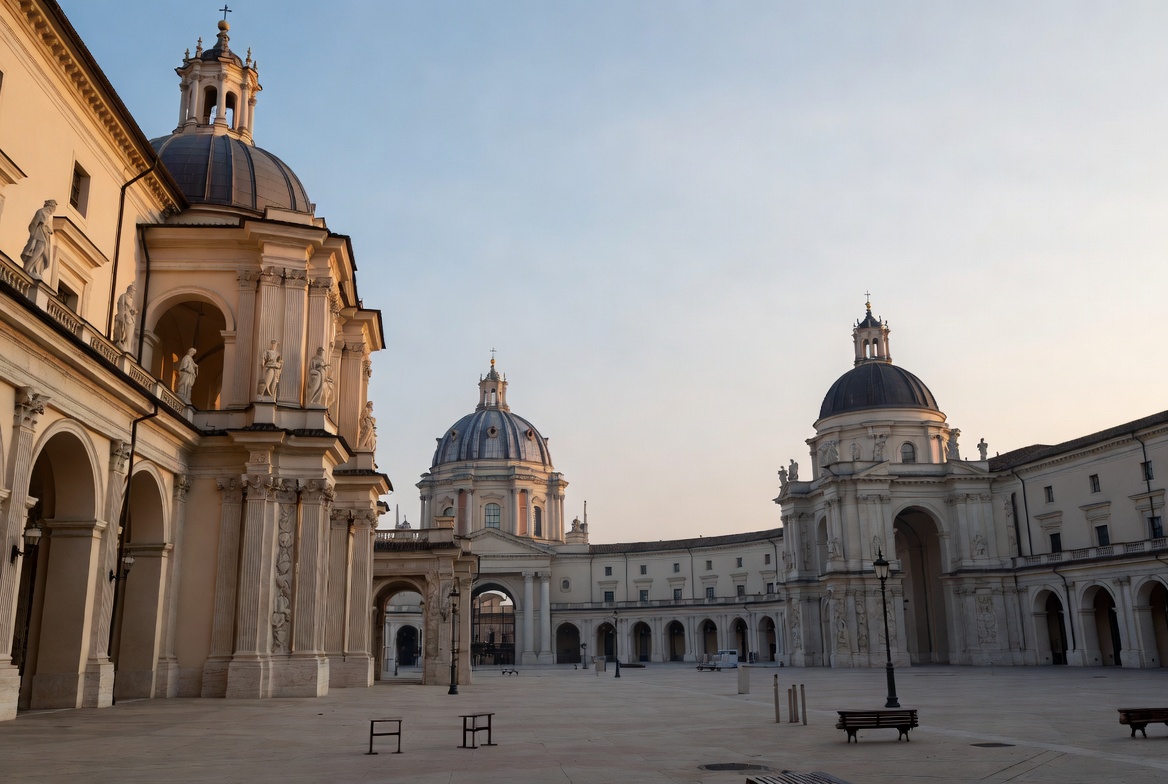
The millennial obsession with houseplants was just the beginning. As urban density increases and access to private outdoor space becomes a rare premium, city dwellers are taking the concept of bringing the outside in to an entirely new architectural level.
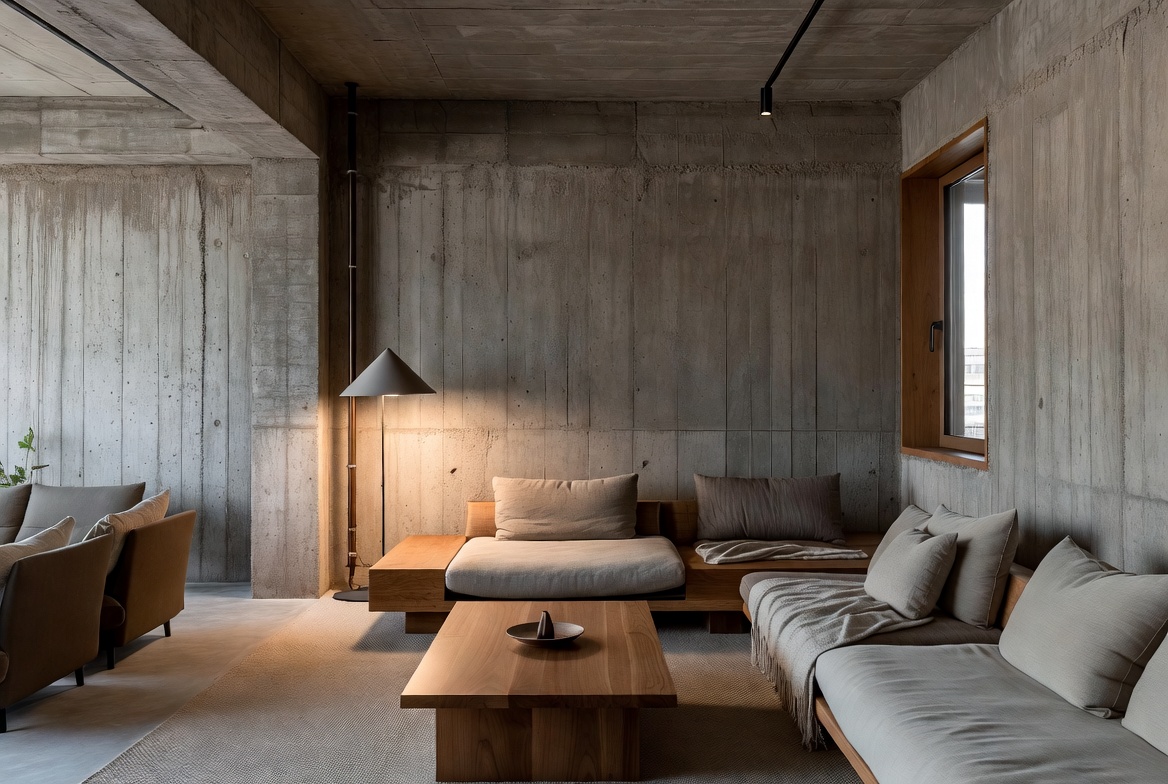
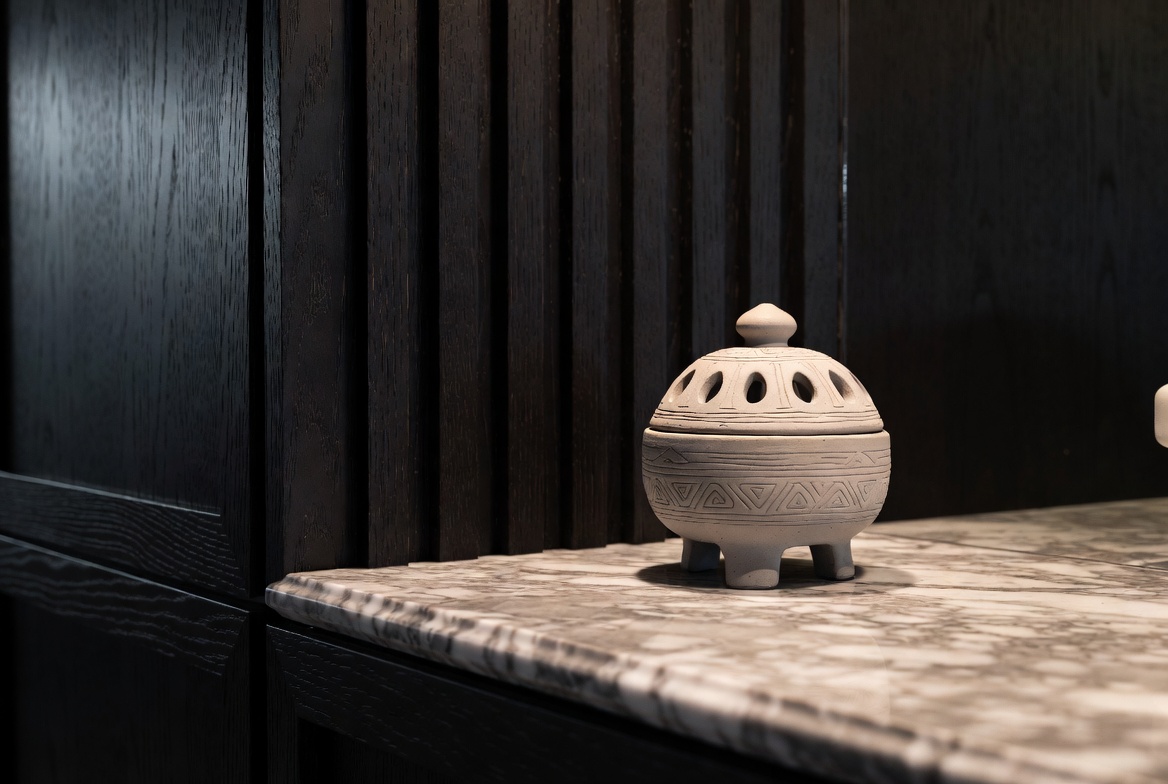
Beyond the Potted Plant “Biophilic Design” is an architectural approach that seeks to connect building occupants more closely to nature. In high-end urban apartments across Europe and North America, this goes far beyond a fiddle-leaf fig in the corner. We are seeing the installation of living moss walls, indoor water features that provide ambient acoustic masking, and the aggressive use of raw, unfinished natural materials like untreated timber and porous stone.
The Psychological Anchor This isn’t just an aesthetic choice; it’s a biological necessity. Studies consistently show that environments rich in natural textures and organic growth significantly lower cortisol levels and reduce mental fatigue. When you spend 90% of your life indoors surrounded by rigid, artificial geometry, incorporating the chaotic, organic growth of nature provides a profound psychological relief.
You can’t always escape the concrete jungle, but you can definitely engineer a sanctuary inside of it.
About the Author: Soufflé