When you look at a city sidewalk, you probably see concrete, weeds, and urban decay. When a trained chef or an urban botanist looks at that same sidewalk, they see a free, highly seasonal pantry. Urban foraging is shedding its fringe reputation and becoming a highly respected culinary movement.
Nature Reclaiming the City From dandelions and wild garlic hidden in London parks, to elderflower growing in vacant lots across Berlin, cities are actually teeming with edible flora. High-end restaurants are spearheading this trend, sending their kitchen staff out at dawn to forage hyper-local garnishes that cannot be bought from commercial suppliers.
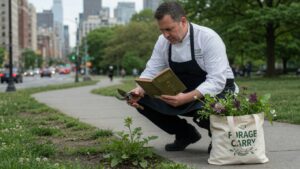
The Rules of the Concrete Harvest While the idea of free, organic produce is romantic, it requires deep knowledge. Ethical foragers follow strict rules: never take more than you need, never harvest near heavy traffic zones due to soil pollution, and absolutely never eat anything you cannot identify with 100% certainty.
It’s a practice that completely changes your relationship with the city. You stop seeing it as a barren landscape of glass and steel, and start recognizing the resilient nature quietly thriving right under your feet.
About the Author: Soufflé